
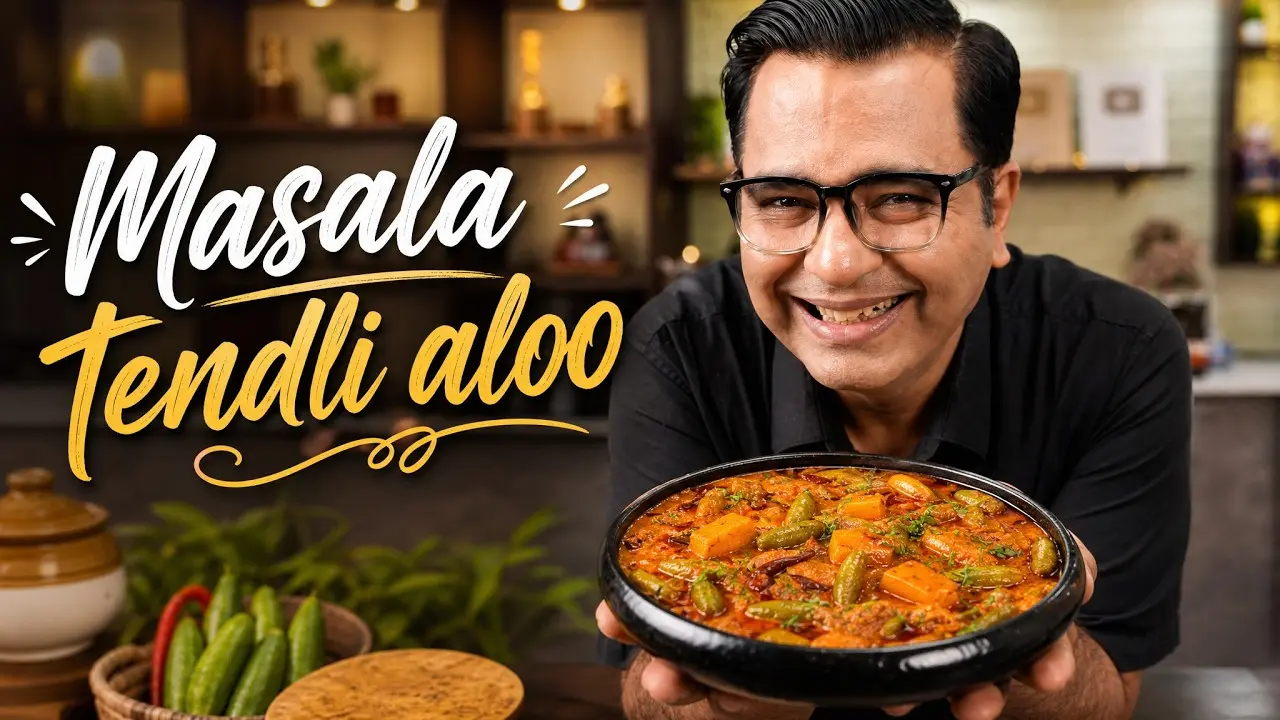
Masala Tendli Aloo Recipe | Tendli Pasand Nahi? Ye Recipe Aapki Soch Badal Degi

40 Mins

4-5 People
10 Mins
What is Tendli and Why You Should Cook It
If you have never heard of tendli before, let me tell you — this little vegetable is one of Maharashtra's best-kept secrets. Tendli, also called Ivy Gourd, is a small, firm vegetable that is widely eaten across Maharashtra, especially in masala bhaat. It is the younger cousin of parwal, and an even younger cousin of cucumber — but do not let that fool you, because it tastes nothing like cucumber. The first time I cooked with tendli, I could not believe how much flavour it soaked up from the masala. It is one of those vegetables that completely surprises you.
I always say — if you have never tried tendli, give yourself a pat on the back right now, because after you make this recipe, you are going to keep eating it again and again. That is the magic of this sabzi. It is simple, it is honest, and it is absolutely delicious. Wherever ivy gourd is available — from India to the US to Australia — this dish needs to be made. Trust me on this one.
Ingredients of Masala Tendli Aloo
Portion Serving: 4–5 pax
Preparation Time: 10 minutes
Cooking Time: 35–40 minutes
For Frying Vegetables
Tendli (cut into halves) — 500 gms
Potato (cut into batons) — 2 pcs
Oil for frying
For Green Paste
Ginger — ½ inch
Garlic — 5–6 pcs
Green chilli — 2–3 pcs
Fresh coriander — a handful
Water — as required
For Masala Paste Mixture
Red chilli powder — 1 tsp
Turmeric powder — ½ tsp
Salt — 1 tsp
Kitchen king masala — 1 tbsp
Coriander powder — 1½ tsp
Water — a little
For Tendli Aloo Masala
Oil — 1 tbsp
Mustard seeds — 1 tsp
Jeera — 1 tsp
Dry red chilli — 2 pcs
Curry leaves — 7–8 leaves
Green paste (prepared above)
Masala paste mixture (prepared above)
Tomato puree — 2 pcs
Peanuts crushed — ¼ cup
Sesame seeds crushed — 1 tbsp
Water — a little
Fried tendli and potatoes
Coriander chopped — 1 tbsp
Instructions of Masala Tendli Aloo
Step 1: Prep and Fry the Vegetables
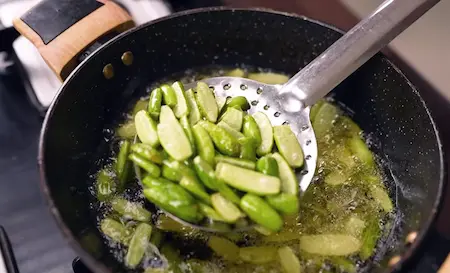
Wash the tendli and potatoes thoroughly. Cut the tendli into halves and the potatoes into medium-sized batons of a similar size so that they cook evenly. The cutting is very important here — if you cut the tendli too big, the tendli will cook but the potato will stay raw. If you cut the potato too small, the potato will dissolve and the tendli will not cook. So keep the sizes matching. Heat oil in a pan and fry the potatoes and tendli until they are lightly golden and nearly cooked through. This step helps the vegetables retain their shape while adding a delicious texture to the final dish. Remove them from the oil and keep aside. If you do not want to deep fry, you can cook them on dum — add a little oil to a pan, sauté the potatoes first, then add the tendli, add a little salt, cover and cook. No masala at this stage because we are making the masala separately.
Step 2: Prepare the Green Paste
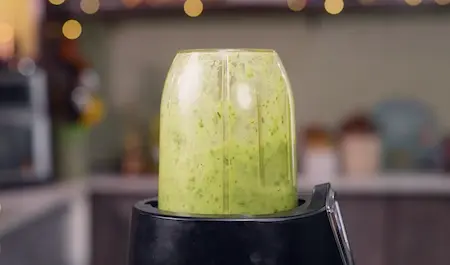
In a mixer jar, combine ginger, garlic, green chillies, and fresh coriander. Add a small splash of water and blend into a smooth green paste. This paste forms the fresh and flavourful base of the masala and brings a beautiful herby character to the dish.
Step 3: Make the Masala Paste
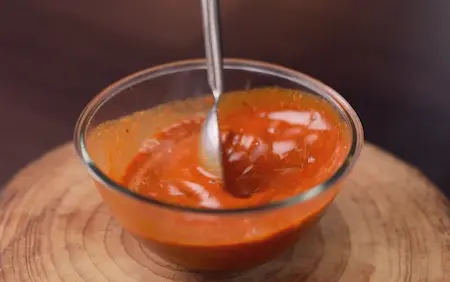
In a bowl, combine red chilli powder, turmeric powder, salt, kitchen king masala, and coriander powder. Add a little water and mix well to form a smooth paste. This is a key technique — dissolving the dry spices in water before adding them to the pan means the colour will not change drastically and the flavours will not overpower the green paste. The spices will do their job without clashing with the freshness of the green paste.
Step 4: Prepare the Tadka
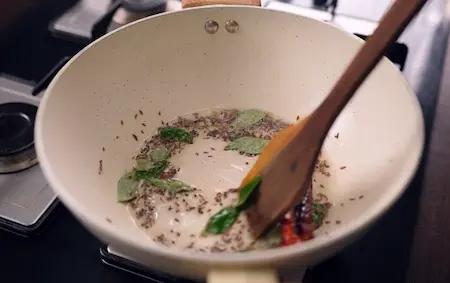
Heat oil in a pan and add mustard seeds and jeera. Allow them to crackle and release their aroma. Add dry red chillies and curry leaves, then sauté briefly until fragrant. Work quickly here — if your pan and oil are hot, things will splutter fast and you need to move with them.
Step 5: Cook the Green Masala
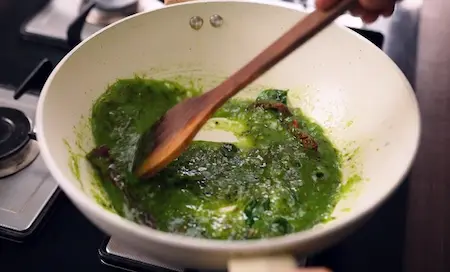
Add the prepared green paste to the pan and sauté on medium heat for 2 to 3 minutes. Cook until the raw aroma disappears and the paste becomes fragrant. Stir occasionally to prevent sticking and ensure even cooking. This step is important — the paste needs proper bhunai so the raw smell of ginger, garlic and coriander fully cooks out.
Step 6: Add the Masala Paste and Tomato Puree
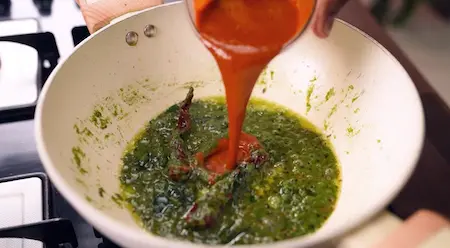
Add the prepared spice paste to the green masala and cook for a minute, stirring it in well. Then add the tomato puree and mix everything together. Continue cooking until the tomatoes soften completely and the masala thickens. Cook until oil starts separating from the sides — that is your sign that the masala is properly cooked. At every level of this recipe, the flavour is being built up patiently, and this step is where it all comes together.
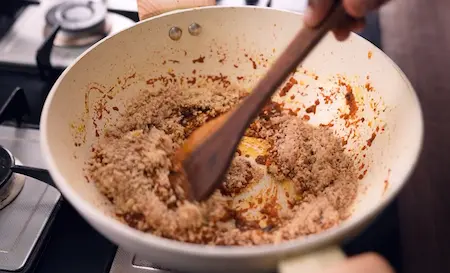
Step 7: Add Peanuts and Sesame
Add the crushed peanuts and crushed sesame seeds to the masala. Mix well and cook for a minute to enhance their nutty flavour. Add a little water to adjust the consistency and create a rich coating for the vegetables. These two ingredients give the sabzi a beautiful texture and a slightly nutty depth that sets this recipe apart.
Step 8: Add the Vegetables and Finish
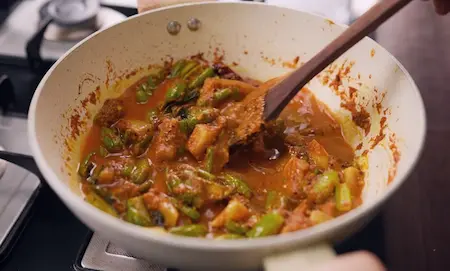
Add the fried tendli and potatoes to the pan. Gently mix so that the vegetables are evenly coated with the masala. Cook for a few minutes on low flame, allowing the flavours to come together. Check the seasoning and adjust if required. Finish with freshly chopped coriander.
Step 9: Serve Hot
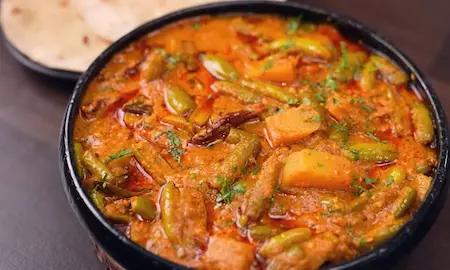
Serve hot with phulka, chapati, bhakri, or dal-rice for a comforting and flavourful homestyle meal. This is simplicity in its best form — outstanding flavour, minimal effort, and a sabzi that will make you fall in love with tendli forever.
About This Masala Tendli Aloo Recipe
What I love most about this Masala Tendli Aloo is how every single step builds the flavour from the ground up. It is not a recipe you rush — and the patience you put in at each stage is exactly what you taste in every bite. The green paste gives it freshness. The masala paste gives it body and colour. The tomato puree gives it tang. And the peanuts and sesame give it that extra something that makes people ask, "what is in this sabzi?"
The cutting of the vegetables is something I always stress about. Cut the tendli into halves and the potato into batons of similar size. This is not just about looks — it is about timing. Both vegetables need to finish cooking at the same time, and if your cuts are uneven, one will overcook while the other is still raw. These small tips and tricks are what make a sabzi go from okay to outstanding.
The technique of dissolving dry spices in water before adding them to the pan is something many people skip, but it makes a real difference. When you add dry masala straight into a hot pan, it can burn quickly and change the colour of the dish drastically. When you dissolve it in water first and then add it, the spices cook evenly, release their flavour slowly, and do not overpower the green freshness of the paste.
This Masala Tendli Aloo is proof that simple vegetables, when cooked with the right technique and a little patience, can taste absolutely extraordinary. Wherever ivy gourd is available — whether you are cooking in India, the US, or Australia — this is a recipe worth making. And once you make it, I promise you will keep making it again and again.
Cooking Tips for Masala Tendli Aloo
Cut the vegetables to a similar size. This is one of the most important tips for this recipe. The tendli halves and potato batons should be roughly the same size so they cook evenly together. If the potato is too big, it will stay raw when the tendli is already done. If it is too small, it will dissolve before the tendli has a chance to cook through.
Choose your frying method wisely. Deep frying gives the tendli and potato a lovely golden colour and a firm texture that holds up well in the masala. But if you want to use less oil, you can sauté the vegetables in a pan with a lid. Add the potatoes first, then the tendli, sprinkle a little salt, cover and cook on a low flame. Both will be ready at roughly the same time.
Always dissolve your dry masala in water before adding it. This is a game-changing technique. When dry spices are added directly to a hot pan, they can burn and make the colour of the dish look very different. By dissolving them in a little water first, you ensure they cook evenly and do not overpower the flavours of the green paste.
Bhunao the masala properly at each stage. At every stage — the green paste, the masala paste, and the tomato puree — cook until the oil starts to separate. That is your signal that the masala is properly cooked and the raw flavour is gone. Rushing this step will leave a raw taste in the final dish.
Do not skip the peanuts and sesame. These two ingredients seem small but they add a beautiful nutty texture and depth that makes Masala Tendli Aloo taste unlike any regular sabzi. Crush them lightly before adding so they blend into the masala while still giving little bits of crunch.
Work fast when you add the tadka. Once the mustard seeds, jeera, dry red chillies, and curry leaves go into the hot oil, they will splutter and cook very quickly. Have your green paste ready to add immediately so nothing burns.
Pairing Guide for Masala Tendli Aloo
With phulka or chapati: This is the most natural pairing for Masala Tendli Aloo. The soft, thin phulka soaks up the masala beautifully and balances the bold flavours of the peanuts and sesame. This is everyday home-style eating at its best.
With bhakri: In Maharashtra, where tendli is most popular, bhakri is the traditional bread of choice. A jowar or bajra bhakri with Masala Tendli Aloo is a combination that is both rustic and deeply satisfying.
With dal-rice: A simple dal and steamed rice with a serving of Masala Tendli Aloo on the side makes for a complete and comforting meal. The sabzi acts as the main flavour component while the dal and rice balance everything out.
With masala bhaat: Since tendli is traditionally used in Maharashtrian masala bhaat, serving Masala Tendli Aloo alongside a simple masala rice is a wonderful pairing that stays true to the vegetable's roots.
With a glass of chaas: The spices in this recipe are bold and warming. A cold glass of chaas — salted buttermilk — on the side helps cool things down and complements the flavours of the masala without overwhelming them.
With papad and pickle: A crispy papad and a tangy pickle on the side round out the meal perfectly. The crunch of the papad echoes the texture of the peanuts in the sabzi, and the sourness of the pickle cuts through the richness of the masala.
Frequently Asked Questions About Masala Tendli Aloo
What is Masala Tendli Aloo?
Masala Tendli Aloo is a flavourful Indian sabzi made with ivy gourd (tendli) and potatoes cooked in a spiced green paste and tomato-based masala, finished with crushed peanuts and sesame seeds. It is a popular vegetable dish especially in Maharashtra and makes for a delicious everyday meal with roti or rice.
What is tendli and where can I find it?
Tendli is also known as ivy gourd or tondli. It is a small, firm green vegetable that looks like a tiny cucumber but tastes completely different. It is widely available in Indian grocery stores across India, the US, Australia, and other countries where Indian vegetables are sold. As I always say, wherever ivy gourd is found, this Masala Tendli Aloo recipe should be made.
Can I make Masala Tendli Aloo without deep frying the vegetables?
Yes, absolutely. If you want to use less oil, you can sauté the potatoes and tendli in a pan with a little oil. Add the potatoes first, then the tendli, sprinkle a little salt, cover with a lid and cook on low flame. Both will cook at roughly the same time. Deep frying gives a better texture and colour, but the dum method works just as well for a lighter version of Masala Tendli Aloo.
Why do we dissolve the dry masala in water before adding it?
Dissolving the dry spices in water before adding them to the pan is a technique that prevents the masala from burning and keeps the colour of the dish from changing too drastically. When you add dry spices directly to a hot pan, they can burn quickly and overpower the flavours of the green paste. By dissolving them in water first, the spices cook evenly and blend into the dish more gently, keeping the flavour balanced.
Why is cutting the vegetables to the same size important in Masala Tendli Aloo?
Cutting the tendli and potatoes to a similar size ensures that both vegetables cook at the same rate. If the potato is cut too large, it will still be raw when the tendli is already cooked through. If the potato is cut too small, it will dissolve or break apart before the tendli finishes cooking. Matching the sizes is one of the small tips and tricks that makes a big difference in the final dish.
What masala is used in Masala Tendli Aloo?
The recipe uses two types of masala — a fresh green paste made from ginger, garlic, green chilli, and coriander, and a dry spice paste made from red chilli powder, turmeric, salt, kitchen king masala, and coriander powder dissolved in water. Both are cooked separately and then combined with tomato puree to form the base of the Masala Tendli Aloo gravy.
What does kitchen king masala do in this recipe?
Kitchen king masala is a blend of multiple spices that adds a deep, rounded flavour to the dish. It is a convenient way to add complexity to the masala without using too many individual spices. In Masala Tendli Aloo, it works together with coriander powder, red chilli powder, and turmeric to create a well-balanced and flavourful masala base.
Why are peanuts and sesame added to Masala Tendli Aloo?
Crushed peanuts and sesame seeds are added to give the sabzi a nutty flavour and a slightly thick, rich coating on the vegetables. This is a technique commonly used in Maharashtrian cooking and is what gives Masala Tendli Aloo its distinctive taste and texture. These two ingredients might seem small but they completely elevate the dish.
What can I serve with Masala Tendli Aloo?
Masala Tendli Aloo goes best with phulka, chapati, bhakri, or dal-rice. In Maharashtra, it is traditionally eaten with bhakri. For an everyday meal, roti and dal with Masala Tendli Aloo on the side is a comforting and complete combination. A glass of cold chaas also pairs very well with the bold spices in this recipe.
Can beginners make Masala Tendli Aloo at home?
Yes, Masala Tendli Aloo is a great recipe for beginners. The steps are straightforward and the ingredients are simple and easy to find. The most important things to keep in mind are the cutting size of the vegetables, properly bhunoing the masala at each stage, and dissolving the dry spices in water before adding them. Follow these tips and the Masala Tendli Aloo will turn out absolutely delicious every single time.