
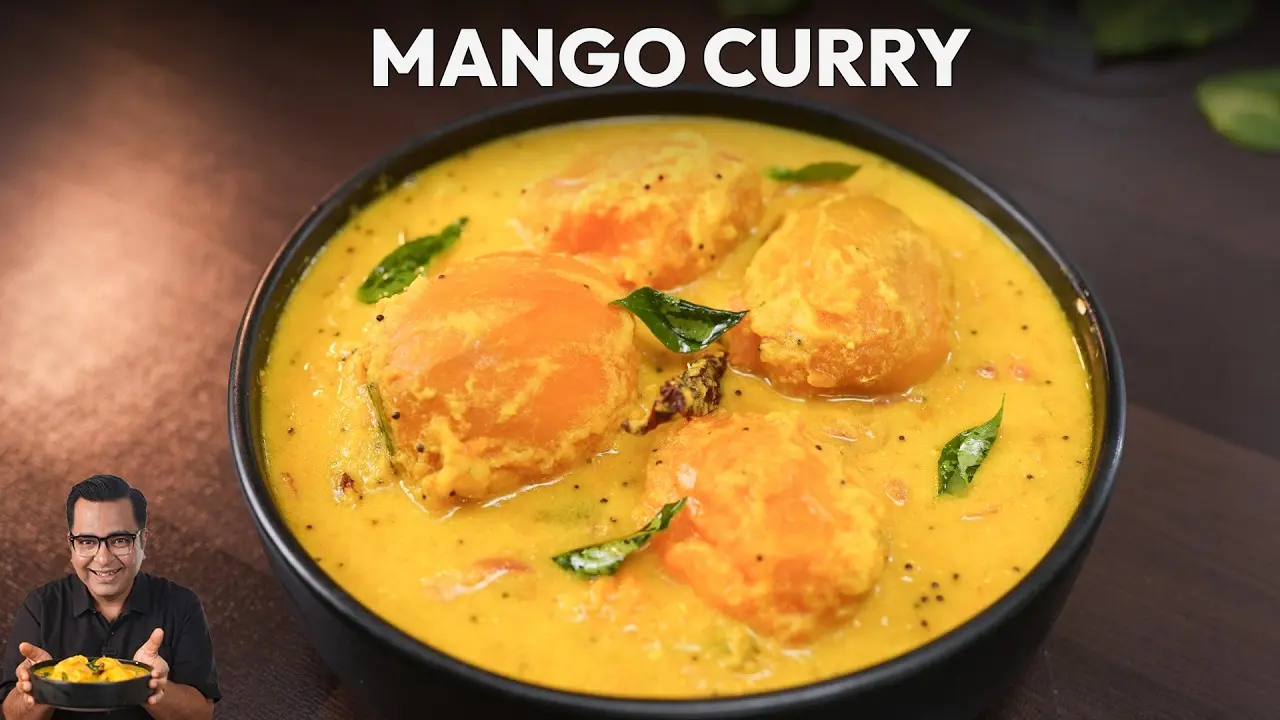
How to make Mango Curry | Sweet, Tangy & Spicy Summer Special

40 Mins

4-5 People
4-5 hrs
A Kerala Summer Special That Will Blow Your Mind
Did you know that Kerala's mango curry — called Mamda Pulissery or simply Manga Curry — is one of the most refreshing dishes you can make during summer? It is made with almost-ripe mangoes, fresh coconut paste, and creamy yogurt, and the result is a curry that is sweet, tangy, and mildly spicy all at the same time. I honestly think this is one of the best ways to enjoy mangoes when they are in season.
This summer, I wanted to bring something really special to the table, and this Kerala-style Mango Curry was the perfect choice. Mangoes are in season right now, and trust me — when you pair those slightly tangy mangoes with a yogurt-coconut gravy and serve it with hot steamed rice, the experience is just outstanding. Pure comfort food. The kind that makes you want to go take a nap after.
Ingredients of Mango Curry
Servings: 4–5 people
Preparation Time: 4–5 minutes
Cooking Time: 40 minutes
For the Coconut Paste:
- Fresh coconut, scraped – 1 cup
- Garlic – 6–7 cloves
- Shallots – 5–6 pieces
- Salt – ½ tsp
- Turmeric powder – ½ tsp
- Jeera (cumin seeds) – 1 tsp
For the Mango Curry:
- Mango, peeled – 4 pieces
- Water – as required
- Green chilli, slit – 2 pieces
- Curry leaves – 8–10 pieces
- Turmeric powder – ½ tsp
- Salt – ½ tsp
- Prepared coconut paste – as made above
- Curd – ½ cup
- Sugar – 1 tsp
For the Tempering:
- Oil – 2 tbsp
- Mustard seeds – 1 tsp
- Dry red chilli – 3 pieces
- Shallots, sliced – 4–5 pieces
- Curry leaves – 6–7 pieces
Instructions for Mango Curry
Step 1: Cooking the Mango Base
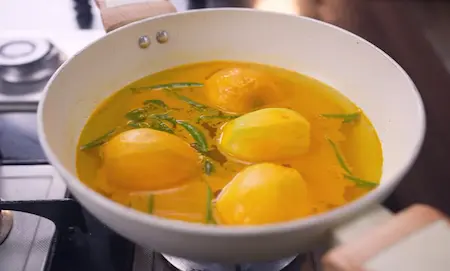
Start by peeling the mangoes and keeping them whole — this is important. The whole idea here is that when the mango cooks in one piece, it becomes completely soft and creamy from the inside, and that is what makes this Mango Curry so special. Place the peeled mangoes in a pan and add water as required to partially submerge them. Now add slit green chillies, curry leaves, turmeric powder, and salt. Bring everything to a boil on medium flame. Once it starts boiling, reduce the flame, cover with a lid, and let it simmer for 10 to 12 minutes. During this time, the mangoes will soften beautifully and release their natural tangy-sweet flavour right into the curry base. You will know they are ready when they are completely soft all the way through.
Step 2: Preparing the Coconut Paste
While the mangoes are cooking, let us make the coconut paste. In a mixer jar, add freshly scraped coconut, garlic cloves, peeled shallots, salt, turmeric powder, jeera, and a little water. Grind this into a smooth, fine paste. This coconut paste is the body of the Mango Curry — it gives the gravy that rich, creamy, coastal Kerala flavour. The fresher your coconut, the better the result. Do not use desiccated coconut here — fresh is the only way to go for this recipe.

Step 3: Combining and Cooking the Curry
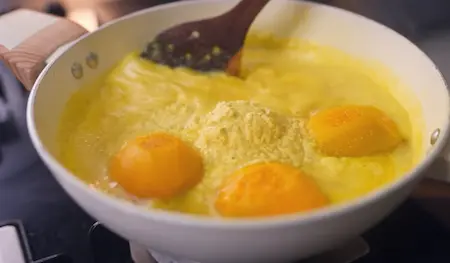
Once the mangoes are soft, add the prepared coconut paste directly into the same pan. Mix gently so the mangoes do not break — we want them to stay whole and creamy. Let it cook on low flame for about 4 to 5 minutes. This is the step where the raw flavour of the coconut cooks out and starts blending into the mango base. The more the coconut paste cooks, the deeper and more intense the flavour becomes. Stir occasionally to avoid sticking at the bottom.
Step 4: Adding Curd and Balancing Flavours
Now lower the flame completely before you add the curd. Whisk the curd well with a little salt and sugar before adding it to the pan. Add it slowly while stirring continuously — this prevents the curd from splitting and keeps the gravy smooth. The sugar here is important; it balances the tanginess of the mangoes and the sourness of the curd, giving this Mango Curry that signature sweet-tangy balance. Once the curd is in, do not boil the curry. Just allow it to warm through gently on low flame for 4 to 5 minutes. All the flavours — mango, coconut, curd — are now coming together beautifully.
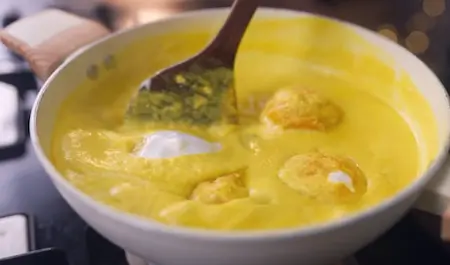
Step 5: Final Tempering (Tadka)
This is the step that completes the Mango Curry. Heat oil in a small tadka pan. Add mustard seeds and let them crackle. Then add dry red chillies and thinly sliced shallots, and sauté them until they turn a light golden brown. Add curry leaves and let them crisp up in the hot oil. Immediately pour this hot tempering straight over the curry. The sizzle you hear is all that smoky, aromatic flavour going right into the dish. This tadka is the final flavour layer on top of everything you have already built — the mango, the coconut, the curd — and it ties it all together perfectly.
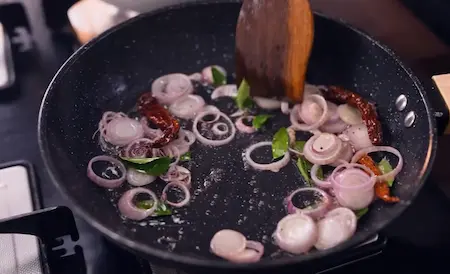
Step 6: Final Finish and Serving
Mix the curry gently after adding the tempering. Let it rest for a couple of minutes so all the flavours settle and infuse properly into each other. Your Mango Curry is now ready — and it is outstanding. You will get the tanginess of the mango, a little sweetness, a mild spice from the green chillies and red chillies, and that creamy, rich coconut-curd gravy underneath it all, finished with a fragrant tadka on top. Serve it hot with steamed rice. Nothing else needed. Trust me — this is the kind of dish that gives you true satisfaction. This summer, enjoy mangoes in your meals and not just as a fruit.
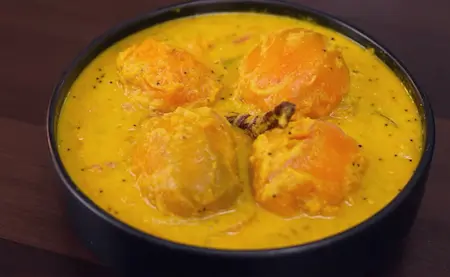
About This Mango Curry Recipe
This Mango Curry is all about building flavour step by step. The whole idea starts with picking the right kind of mangoes. You do not want fully ripe, super sweet mangoes for this recipe. You want mangoes that are almost ripe — ones that still have a little bit of tartness to them. That slight sourness is what gives this Mango Curry its beautiful tangy character.
Once you boil the whole peeled mangoes with green chillies, curry leaves, turmeric, salt, and water, you will notice how soft and creamy they become from the inside. That softness is what makes every bite so satisfying. We are not cutting the mango into pieces here — we are cooking the whole mango, and that makes all the difference.
The fresh coconut paste — made with coconut, garlic, shallots, cumin, and a touch of turmeric — goes straight into the same pot after the mangoes are cooked. The longer this paste cooks with the mangoes, the more intense and deep the flavour gets. Then comes the yogurt, whisked with a little salt and sugar, which brings the whole curry together into something truly mind-blowing.
And finally, the tadka. Mustard seeds, dry red chillies, thinly sliced shallots, and curry leaves tempered in hot oil — poured right on top of the hot curry. This last step ties everything together. The mango flavour, the coconut flavour, the yogurt, and now the tadka — each layer adds something beautiful to this Mango Curry. Serve it with hot steaming rice and honestly, you do not need anything else.
Cooking Tips for the Perfect Mango Curry
Pick the right mangoes. The most important part of this Mango Curry is choosing mangoes that are almost ripe but not fully sweet. You need that slight tanginess. Fully ripe mangoes will make the curry too sweet and the balance will be off.
Cook the whole mango. Do not cut the mango into pieces. Peel it and cook it whole. This is key — when the mango cooks whole, it becomes soft and creamy from the inside, which gives the curry a beautiful, rich texture.
Boil for 10 to 12 minutes. Give the mangoes enough time to cook properly — at least 10 to 12 minutes covered. You want them completely soft all the way through before you add the coconut paste.
Do not rush the coconut paste. The longer you cook the fresh coconut paste in the curry, the more intense the flavour becomes. Give it a good 2 to 3 minutes to really blend in with the mango before you add the yogurt.
Whisk the yogurt before adding. Always beat the yogurt with a little salt and sugar before adding it to the curry. This prevents it from splitting and gives the gravy a smooth, creamy consistency.
Use shallots (Madras onions) if you can. Small shallots — also called Madras onions — work best for this recipe because they are slightly sweet. If you cannot find them, small red onions work fine, and regular onions are also okay in a pinch.
Do not skip the tadka. The final tempering of mustard seeds, dry red chillies, shallots, and curry leaves is what completes this dish. Cook the tadka for a minute or two after pouring it over the curry before serving.
Pairing Guide for Mango Curry
Hot steamed rice is the classic and the best pairing for this Mango Curry. The yogurt-coconut gravy coats every grain of rice beautifully, and the soft mango pieces alongside — it is just perfect. This is the combination I always recommend, and once you try it, you will understand why.
Roti or phulka also works well if you prefer bread over rice. The soft, creamy texture of the Mango Curry makes it a great dipping companion for fresh rotis.
Papad and pickle on the side add a nice crunch and extra punch of flavour to balance the mildness of the curry. A simple Kerala-style papad is ideal.
A glass of cold buttermilk or chaas on the side rounds out this summer meal beautifully. Since this is already a yogurt-based curry, the combination feels very cooling and light — perfect for hot summer days.
Avoid heavy or fried sides with this dish. This Mango Curry is light and refreshing by nature, so pair it with simple, clean accompaniments that do not overpower the sweet-tangy-spicy balance of the dish.
Frequently Asked Questions About Mango Curry
1. What kind of mangoes should I use for Mango Curry?
For Mango Curry, you should use mangoes that are almost ripe but not fully sweet. You need a slight tanginess or sourness in the mango — that is what gives this dish its signature sweet-tangy balance. Fully ripe, very sweet mangoes will not give you the right flavour.
2. What is the actual name of this Mango Curry?
The actual Kerala name for this Mango Curry is Mamda Pulissery. It is a traditional Kerala recipe that uses raw or almost-ripe mangoes cooked in a fresh coconut and yogurt gravy. It is also commonly called Manga Curry.
3. Do I need to cut the mango into pieces for Mango Curry?
No, you do not cut the mango into pieces. The whole idea of this Mango Curry is to cook the mango whole after peeling it. When it cooks whole, it becomes very soft and creamy from the inside, which adds a beautiful, melt-in-the-mouth texture to the curry.
4. How long do I need to boil the mangoes?
You need to boil the mangoes for 10 to 12 minutes, covered, until they are completely soft all the way through. This is important because the softness of the mango is what gives the Mango Curry its creamy, comforting texture.
5. Can I use regular onions instead of shallots or Madras onions?
Yes, you can. Madras onions or small shallots are ideal because they are slightly sweet and add a nice depth of flavour to the Mango Curry. But if you cannot find them, small red onions work well, and even regular onions are fine as a substitute.
6. Why do we add yogurt to the Mango Curry?
Yogurt adds a creamy, slightly tangy element to the Mango Curry that brings the whole gravy together. It balances the sweetness of the mango and the richness of the coconut paste, creating a light, flavourful curry that is perfect with rice. Always whisk the yogurt with a little salt and sugar before adding it so it does not split.
7. Can I use desiccated coconut instead of fresh coconut?
Fresh coconut is strongly recommended for this Mango Curry because it gives a much richer and more authentic flavour. Desiccated coconut does not have the same moisture or natural oils, and the taste will be noticeably different. If fresh coconut is available, always use it for this recipe.
8. What is the purpose of the tadka in this Mango Curry?
The tadka — made with mustard seeds, dry red chillies, sliced shallots, and curry leaves — is the final flavour layer of this Mango Curry. It adds a smoky, aromatic punch on top of the curry and ties together all the flavour layers built through the cooking process. Do not skip it.
9. What is the best thing to serve with Mango Curry?
Hot steamed rice is the best accompaniment for Mango Curry. The creamy yogurt-coconut gravy coats the rice perfectly, and together with the soft mango pieces, it is a truly complete and satisfying meal. You can also serve it with roti, but rice is the classic pairing.
10. Can I make Mango Curry with raw (unripe) mangoes?
You can, but the result will be very sour and the balance will be off. This Mango Curry works best with mangoes that are in between — almost ripe, with a mild sweetness and a noticeable tartness. Fully raw mangoes will overpower the curry with sourness, and fully ripe mangoes will make it too sweet. The middle-ground mango is the key.