
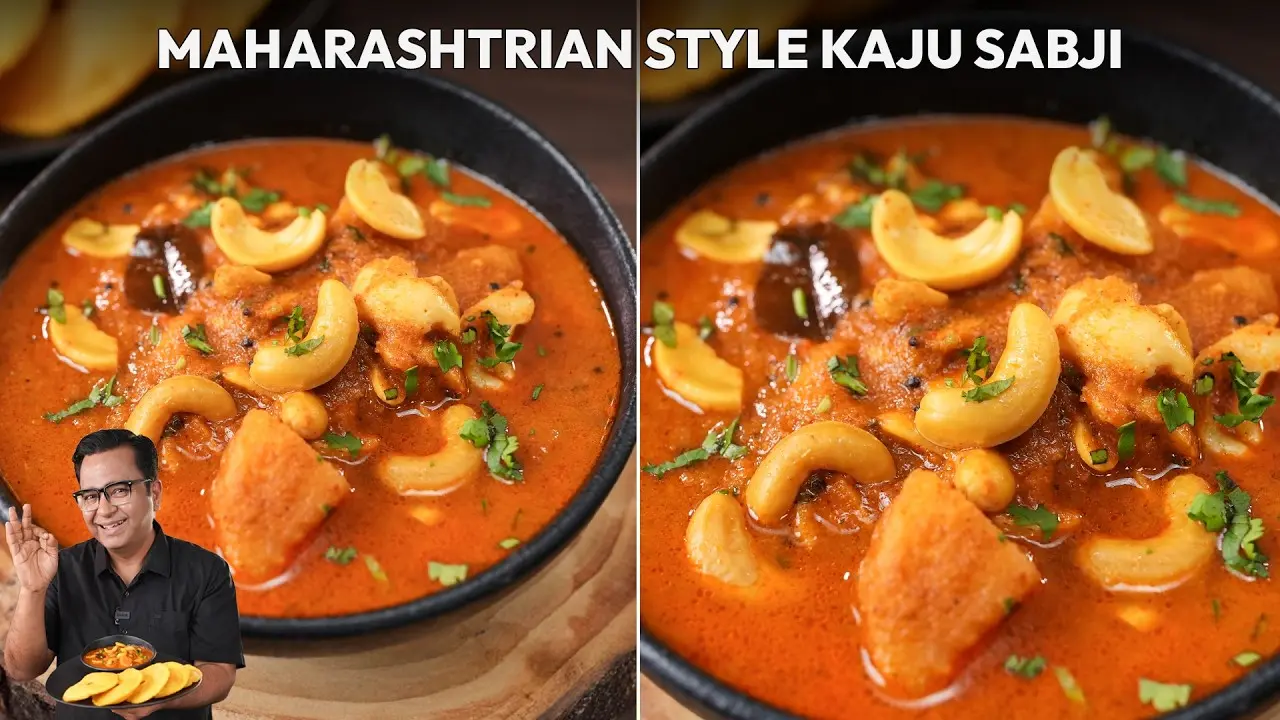
Maharashtrian Style Kaju Sabji

40 Mins

4-5 People

05 Mins
Maharashtrian Style Kaju Sabji Introduction
I remember the first time I cooked Maharashtrian Style Kaju Sabji. This recipe comes from the Savantwadi and Konkan region, and what I love most is its simplicity. Cashew is the main ingredient here, and there is no heavy paste or extra richness. The real taste comes from roasting the ingredients properly.
While making Maharashtrian Style Kaju Sabji, I enjoy the process of cooking slowly. Dry roasting onions and coconut for the vatan and gently cooking the soaked cashews makes this dish very special. This is the kind of regional food that feels honest, comforting, and full of real Indian flavors.
Ingredients of Maharashtrian Style Kaju Sabji
Portion / Servings: 4–5 pax
Preparation Time: 05 mins
Cooking Time: 40 mins
For Vatan
- Onion sliced – 2 pcs
- Garlic – 7–8 pcs
- Ginger – 1 inch
- Fresh coconut grated – 1 cup
- Water – as required
For Making Sabji
- Oil – 1 tbsp
- Mustard seeds – 1 tsp
- Onion chopped – 1 pc
- Curry leaves – 10–12 pcs
- Tomato chopped – 1 pc
- Turmeric powder – ½ tsp
- Red chilli powder – ½ tsp
- Malwani masala – 1 tsp
- Potato peeled & diced – 2 pcs
- Splash of water
- Salt – 1 tsp
- Grinded vatan
- Water – as required
- Soaked cashew / tender cashew – 2 cups
- Coriander chopped – 1 tbsp
Instructions of Maharashtrian Style Kaju Sabji
Step 1: Prepare the Vatan (Masala Paste)
Start by heating a heavy-bottom pan on medium flame. Add the sliced onions to the pan and dry roast them without adding oil. Stir continuously to ensure even roasting. Roast the onions until they turn light golden brown and release a mild sweetness. This step builds the base flavor of the sabji.
Once the onions are roasted, add garlic cloves, ginger pieces, and freshly grated coconut to the same pan. Continue dry roasting the mixture, stirring constantly, until the coconut turns golden brown and aromatic. Be careful not to burn the coconut, as it can turn bitter. Switch off the flame and allow the mixture to cool slightly.
Transfer the roasted mixture to a mixer jar, add water as required, and grind it into a smooth, fine paste. This prepared paste is called vatan and forms the heart of this Maharashtrian curry. Keep it aside for later use.

Step 2: Prepare the Tempering (Phodni)
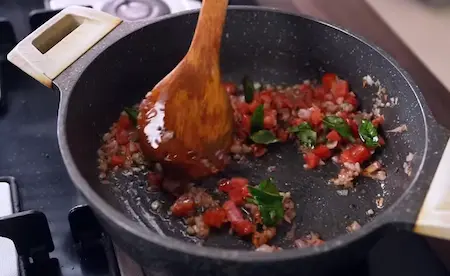
Heat oil in a pan or kadai over medium heat. Add mustard seeds and allow them to crackle. Once they start popping, add curry leaves carefully as they splutter. Immediately add the chopped onion and sauté until it turns soft and translucent.
Now add chopped tomatoes and cook them well until they become soft and slightly mushy. Stir occasionally to prevent sticking at the bottom. This forms the flavor base of the sabji.
Step 3: Add Spices and Potatoes
Add turmeric powder, red chilli powder, and Malwani masala to the pan. Mix well and cook the spices for a few seconds to remove their raw aroma. Add the peeled and diced potatoes along with a small splash of water. Cover the pan and cook until the potatoes are about 70% cooked. Stir in between to ensure even cooking.

Step 4: Cook the Vatan
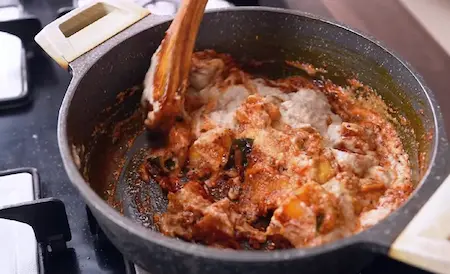
Once the potatoes are partially cooked, add the prepared vatan paste to the pan. Mix thoroughly so the masala coats the potatoes evenly. Cook this mixture on medium flame for a few minutes, stirring occasionally, until the vatan is well cooked and the oil begins to separate slightly.
Step 5: Add Cashews and Adjust Consistency
Add salt as per taste and pour water as required to adjust the consistency of the gravy. Bring the curry to a gentle boil. Add the soaked or tender cashews and mix gently. Let the sabji simmer for a few minutes so the cashews absorb the rich flavors of the masala.

Step 6: Final Garnish and Resting
Switch off the flame and garnish the sabji with freshly chopped coriander. Allow the curry to rest for a few minutes before serving so the flavors settle.
Serve hot with chapati, bhakri, or steamed rice for an authentic Maharashtrian meal.

About Maharashtrian Style Kaju Sabji
Maharashtrian Style Kaju Sabji is a unique curry from the Konkan region, especially Savantwadi. What makes Maharashtrian Style Kaju Sabji special is the use of vatan, a traditional roasted paste made from onion, ginger, garlic, and coconut. This vatan is not fried in oil but dry roasted to bring out natural sweetness and aroma.
In Maharashtrian Style Kaju Sabji, cashews are treated very gently. They are soaked overnight in cold water, not hot water, so the natural flavor stays inside the cashew. This small detail changes the entire taste of the Maharashtrian Style Kaju Sabji and keeps the gravy rich but balanced.
Another important part of Maharashtrian Style Kaju Sabji is layering. First the chopped onion is cooked, then curry leaves, tomatoes, spices, potatoes, vatan, and finally the cashews. Each step is slow and respectful. The gravy releases a little oil naturally, showing that the Maharashtrian Style Kaju Sabji is ready without overcooking.
For me, Maharashtrian Style Kaju Sabji feels like a dish that represents India’s regional depth. It is different, comforting, and full of character. This is exactly why such recipes need to be cooked, shared, and celebrated.
Cooking Tips for Maharashtrian Style Kaju Sabji
- Always roast the onion slices for vatan without oil to release natural sweetness.
- Roast onion, ginger, garlic, and coconut till golden brown, not dark.
- Soak cashews overnight in cold water, never hot water.
- Stir cashews very gently while cooking to avoid breaking them.
- Add vatan only when potatoes are around 50% cooked.
- Let the gravy cook till it slightly releases oil; this shows it is properly cooked.
- Do not rush the cooking process of Maharashtrian Style Kaju Sabji.
Pairing Guide for Maharashtrian Style Kaju Sabji
- Maharashtrian Style Kaju Sabji pairs best with traditional Maharashtrian vade.
- You can enjoy Maharashtrian Style Kaju Sabji with plain rice for a comforting meal.
- A simple salad with onion and lemon balances the richness of Maharashtrian Style Kaju Sabji.
- Light buttermilk or chaas works very well with this curry.
- Soft chapati can also be served if vade are not available.
Frequently Asked Questions About Maharashtrian Style Kaju Sabji
What makes Maharashtrian Style Kaju Sabji different from other cashew curries?
Maharashtrian Style Kaju Sabji uses vatan instead of a fried paste and focuses on natural roasting for flavor.
Why is vatan important in Maharashtrian Style Kaju Sabji?
Vatan gives Maharashtrian Style Kaju Sabji its authentic Konkan aroma and depth without heaviness.
Can I use fresh cashews for Maharashtrian Style Kaju Sabji?
Yes, fresh cashews give the best flavor, but soaked plain cashews also work well.
Why should cashews be soaked in cold water?
Cold water soaking keeps the natural taste of cashews intact for Maharashtrian Style Kaju Sabji.
Is Maharashtrian Style Kaju Sabji very spicy?
No, Maharashtrian Style Kaju Sabji is balanced and aromatic, not overly spicy.
Can Maharashtrian Style Kaju Sabji be made without potatoes?
Potatoes add body to the gravy, but Maharashtrian Style Kaju Sabji can be adjusted if needed.
What oil is best for Maharashtrian Style Kaju Sabji?
Any neutral cooking oil works, keeping the focus on vatan and spices.
How do I know when the gravy is cooked properly?
When Maharashtrian Style Kaju Sabji releases slight oil on top, it is ready.
Can Maharashtrian Style Kaju Sabji be reheated?
Yes, but reheat gently so the cashews do not break.
What is the best way to serve Maharashtrian Style Kaju Sabji?
Maharashtrian Style Kaju Sabji tastes best fresh, served hot with vade or rice.