

How to Make Perfect Fulwadi at Home | Crispy & Spicy Gujarati Snack

45 Mins

7-8 People

05-10 Mins
How to Make Perfect Fulwadi at Home | Crispy & Spicy Gujarati Snack
Did you know that Fulwadi is one of Gujarat's most-loved tea-time snacks — crispy besan sticks packed with aromatic spices that can stay fresh for 10 to 15 days once made? I hunted this recipe down straight from Gujarat because I wanted something new and exciting for the rainy season, and trust me, this one does not disappoint.
Now that we've survived the summer heat, it's time to get ready for some fried, crispy goodness to enjoy with a hot cup of chai. Fulwadi is nothing but flavour-packed, deep-fried besan sticks — and once you understand the tips and tricks behind the batter, the frying temperature, and the right type of besan to use, you'll be making these every single monsoon season. Let's get into it.
Ingredients of Fulwadi
Portions / Servings: 7–8 pax
Preparation Time: 5–10 minutes
Cooking Time: 45 minutes
For the Spice Mix
- Coriander seeds – 1 tbsp
- Black peppercorns – 10–15 pcs
For the Dough
- Curd – ½ cup
- Sesame seeds – 1 tbsp
- Saunf (fennel seeds) – ½ tbsp
- Citric acid (nimbu ka phool) – ⅛ tsp
- Sugar – 1 tsp
- Red chilli powder – 1 tbsp
- Prepared spice mix – 1 tbsp
- Besan flour (fine) – 1 cup
- Besan flour (coarse / kanki besan) – ½ cup
- Oil – 1½ tbsp
- Salt – to taste
- A splash of water
Soda & Water Mixture
- Baking soda (meetha soda) – ⅓ tsp
- Water – 1 tbsp
Oil for deep frying
Instructions of Fulwadi
Step 1: Prepare the Spice Mix
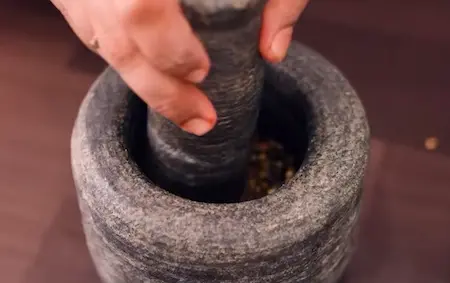
Begin by preparing the signature spice mix that gives the Fulwadi its distinctive flavour. Heat a pan on medium flame and add the coriander seeds and black peppercorns. Dry roast them until fragrant — you'll know it's ready when the oils from the pepper start releasing and the aroma hits you. Don't burn them. Once aromatic, transfer to a plate and let them cool completely. Grind them coarsely using a mortar and pestle or a mixer grinder. This coarseness is key — it adds a little crunch and a pop of flavour in every bite.
Step 2: Make the Dough Base
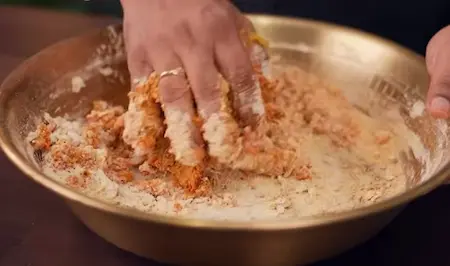
Take a large mixing bowl (parat) and add the curd. To this, add sesame seeds, saunf, citric acid, sugar, red chilli powder, and the prepared spice mix. Mix everything well so the flavours are evenly distributed. Now add both the fine besan and the coarse besan (kanki besan). The combination of the two is the real secret here — using only fine besan makes the fulwadi taste flat. The coarse besan gives it that beautiful texture and bite. Pour in the oil and add salt to taste. Mix thoroughly until the oil is properly incorporated. Gradually add a splash of water and bring everything together into a thick dough with no dry pockets of flour.
Step 3: Add the Soda Mixture
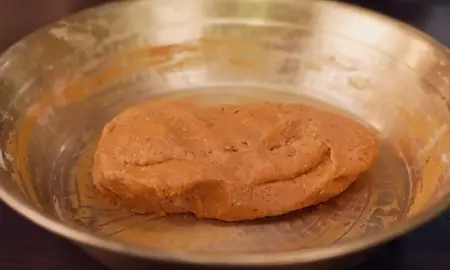
In a small bowl, combine the baking soda and water. Stir until the soda dissolves completely. Add this mixture into the dough and mix well. The moment you add the soda, the dough will behave a little strangely — it'll turn a bit white and look odd. Don't worry, that's completely normal. Just keep kneading and mixing until everything comes together smoothly. The soda is what gives the Fulwadi its crispiness and that beautiful puffed-up texture on the outside. Once mixed, let the dough rest for 5–10 minutes. This resting time lets the soda do its work and helps the final texture.
Step 4: Pipe and Fry the Fulwadi
Heat oil in a deep kadai over medium heat — not too hot, just moderately warm. Transfer the prepared dough into a piping bag. You can also use a Fulwadi mould (sancha) with wide holes, similar to how you'd press boondi or sev. Once the oil is ready, pipe the dough directly into the oil in thick finger-sized strands and use a pair of scissors to cut them into small pieces right over the kadai. Fry on medium-high heat for 2–3 minutes until you see the Fulwadi begin to puff slightly and small cracks start appearing on the surface. That's the soda reacting to the heat — and that's exactly what you want. Once the cracks appear, reduce the flame to low and continue frying patiently for 8–10 minutes, stirring occasionally, until the pieces turn evenly golden brown and crisp all the way through. High heat will crisp the outside but leave the inside raw — so low and slow after that initial puff is the trick.

Step 5: Drain and Serve
Remove the fried Fulwadi using a slotted spoon and transfer to a tissue-lined plate to drain excess oil. Allow it to cool slightly before serving. The Fulwadi should be crunchy, flavourful, and packed with the beautiful aroma of roasted spices. Serve it as a tea-time snack or store in an airtight container once completely cooled — it stays fresh and crispy for 10 to 15 days.

About This Fulwadi Recipe
Fulwadi is a classic Gujarati snack that I genuinely fell in love with the moment I first tasted it. It's essentially crispy besan sticks, deep fried with a flavour-packed masala — and once you bite into one, you understand why it's been a staple in Gujarati homes for generations.
One thing I love about this Fulwadi recipe is how the two types of besan work together. The fine besan gives the dough its base structure, while the coarse besan — called kanki besan — adds that signature rough texture that makes every bite interesting. If you don't have access to kanki besan from a chakki, just lightly roast some chana dal, cool it down, and grind it coarsely in a mixer. Job done.
The use of sesame seeds is very typical of Gujarati cooking. Gujarat and Rajasthan are big producers of sesame and mustard, and you'll find til showing up in everything from khaman to this Fulwadi. It adds a lovely nutty crunch that makes the snack more interesting.
Citric acid — or nimbu ka phool as it's called in Gujarat — is another ingredient that might seem unusual but is used very commonly in Gujarati snacks and street food. If you don't have it at home, fresh lemon juice works just as well.
The real hero, though, is the baking soda. When you drop the dough into hot oil and it starts to crack and puff — that's the soda doing its job. That's the sign you've nailed it. After that initial puff, you drop the heat and let the Fulwadi cook low and slow so it gets crispy all the way through, not just on the outside.
Make a big batch, let it cool, pack it in an airtight container, and you're set for the entire rainy season. These last 10–15 days easily — if you can resist finishing them before that!
Cooking Tips for Perfect Fulwadi
Use Two Types of Besan
This is the most important tip for this recipe. Use a mix of fine besan and coarse besan (kanki besan). Fine besan alone gives a flat, dull texture. The coarseness of kanki besan adds a lovely roughness and bite to the Fulwadi. If you can't find kanki besan, lightly roast chana dal, cool it, and grind it coarsely at home.
Don't Skip the Dry Roast
Dry roast the coriander seeds and black peppercorns until their oils just start releasing and the aroma hits you. Pull them off the heat immediately. Grind them coarsely — that dardrapan (coarseness) adds a pop and a crunch in the Fulwadi that you just can't get any other way.
Get the Batter Consistency Right
The dough should be a thick batter — thicker than medu vada batter. It should not be a stiff dough like roti, but it should hold its shape when piped. Add water gradually and only as much as needed. When the soda is added, the dough will look white and strange — that's normal. Keep mixing until it comes together smoothly.
Rest the Dough
After adding the soda mixture, let the dough rest for 5–10 minutes before frying. This gives the soda time to activate and bind with the other ingredients, which improves the final texture of the Fulwadi significantly.
Fry in Two Stages
Start frying on medium-high heat for 2–3 minutes until you see small cracks appear on the surface. That's the soda reacting to the heat. Once you see those cracks, reduce the flame to low and fry for another 8–10 minutes. This two-stage frying is essential — high heat at the end will burn the outside while leaving the inside undercooked.
Store Properly for Long Shelf Life
Once the Fulwadi is completely cooled to room temperature, store it in an airtight container. It stays crispy and fresh for 10–15 days. Do not seal it while still warm, as moisture will make it soft.
Pairing Guide for Fulwadi
Chai — The Classic Pairing
There is no more natural partner for Fulwadi than a hot cup of masala chai. The spicy, crispy snack and a warm, sweet-spiced tea are made for each other, especially on a rainy day. This is the combination that Chef Ajay himself recommends — make your Fulwadi, brew your chai, and welcome the monsoon in style.
Green Chutney
A fresh, tangy coriander-mint chutney pairs beautifully with Fulwadi. The acidity and freshness of the chutney balances the deep-fried, spiced richness of the besan sticks perfectly.
Tamarind Chutney
Sweet and sour imli chutney is another classic dip that works wonderfully. The sweetness of the tamarind cuts through the spice and oil, making each piece even more enjoyable.
Buttermilk (Chaas)
A chilled glass of spiced chaas — with a pinch of roasted cumin, salt, and fresh coriander — is a refreshing contrast to the warm, crispy Fulwadi, especially during the humid monsoon months.
Other Gujarati Snacks
Serve Fulwadi as part of a larger Gujarati snack platter alongside farsan items like gathiya, chakli, or khakhra for a proper tea-time spread that will impress every guest.
Frequently Asked Questions About Fulwadi
1. What is Fulwadi?
Fulwadi is a traditional Gujarati deep-fried snack made from besan (chickpea flour) mixed with aromatic spices like coriander, black pepper, sesame seeds, fennel, and red chilli. The batter is piped into hot oil and fried until crispy. It has a crunchy exterior with a fully cooked, slightly soft interior and is popular as a tea-time snack during the monsoon season.
2. What type of besan should I use for Fulwadi?
For the best Fulwadi, you should use two types of besan — fine besan and coarse besan (kanki besan). Fine besan alone gives a flat texture. The coarse besan adds a roughness and bite that makes the Fulwadi truly special. If you can't find kanki besan, lightly roast some chana dal, cool it, and grind it coarsely in a mixer at home.
3. Why does the dough look strange after adding baking soda?
When you add the baking soda and water mixture to the dough, it will turn slightly white and look a bit unusual. This is completely normal — it's just the soda reacting. Keep kneading and mixing until everything comes together smoothly. The soda is what makes the Fulwadi crispy, so don't skip it.
4. What is the correct consistency for Fulwadi batter?
The Fulwadi batter should be a thick batter — not a stiff dough like roti, but thicker than medu vada batter. It should be firm enough to hold its shape when piped into oil but smooth enough to pipe without too much effort. Add water gradually and only as much as needed to reach this consistency.
5. Why do I need to fry Fulwadi in two stages?
The two-stage frying technique is the key to perfect Fulwadi. In the first stage, you fry on medium-high heat for 2–3 minutes. The soda reacts to the heat, causing the surface to crack and puff. This is the sign you want. In the second stage, you reduce the flame and fry slowly for 8–10 minutes so the inside cooks through and the outside gets genuinely crispy. High heat all the way will burn the outside while leaving the inside raw.
6. What is citric acid and can I substitute it?
Citric acid is called "nimbu ka phool" in Gujarat and is commonly used in Gujarati cooking. It adds a mild tangy note to the Fulwadi. If you don't have citric acid at home, you can simply substitute it with fresh lemon juice — it works just as well and gives a very similar flavour.
7. How long can I store Fulwadi?
Once the Fulwadi is completely cooled to room temperature, you can store it in an airtight container for 10 to 15 days. Make sure it is fully cooled before sealing the container, as any residual warmth will create moisture inside and make the Fulwadi soft and lose its crunch.
8. Why is sesame used in Fulwadi?
Sesame seeds (til) are a very common ingredient in Gujarati cooking because Gujarat is one of the biggest producers of sesame in India. Til adds a lovely nutty flavour and a subtle crunch to the Fulwadi. You'll find sesame being used in many Gujarati dishes — from khaman tadka to farsan snacks like this one.
9. Can I use a Fulwadi mould instead of a piping bag?
Yes, absolutely. You can use a traditional Fulwadi sancha (mould with wide holes) to press the dough into the oil, similar to how boondi or sev is made. A piping bag with scissors is an easier alternative if you don't have the traditional mould at home. Both methods give the same result — thick, finger-shaped Fulwadi sticks.
10. What is the best way to serve Fulwadi?
Fulwadi is best served as a tea-time snack with hot masala chai — especially during the monsoon season. You can also serve it with green coriander-mint chutney or sweet tamarind chutney as dips. It makes a great snack for guests and works well as part of a larger Gujarati farsan platter alongside gathiya, chakli, and other traditional snacks.