
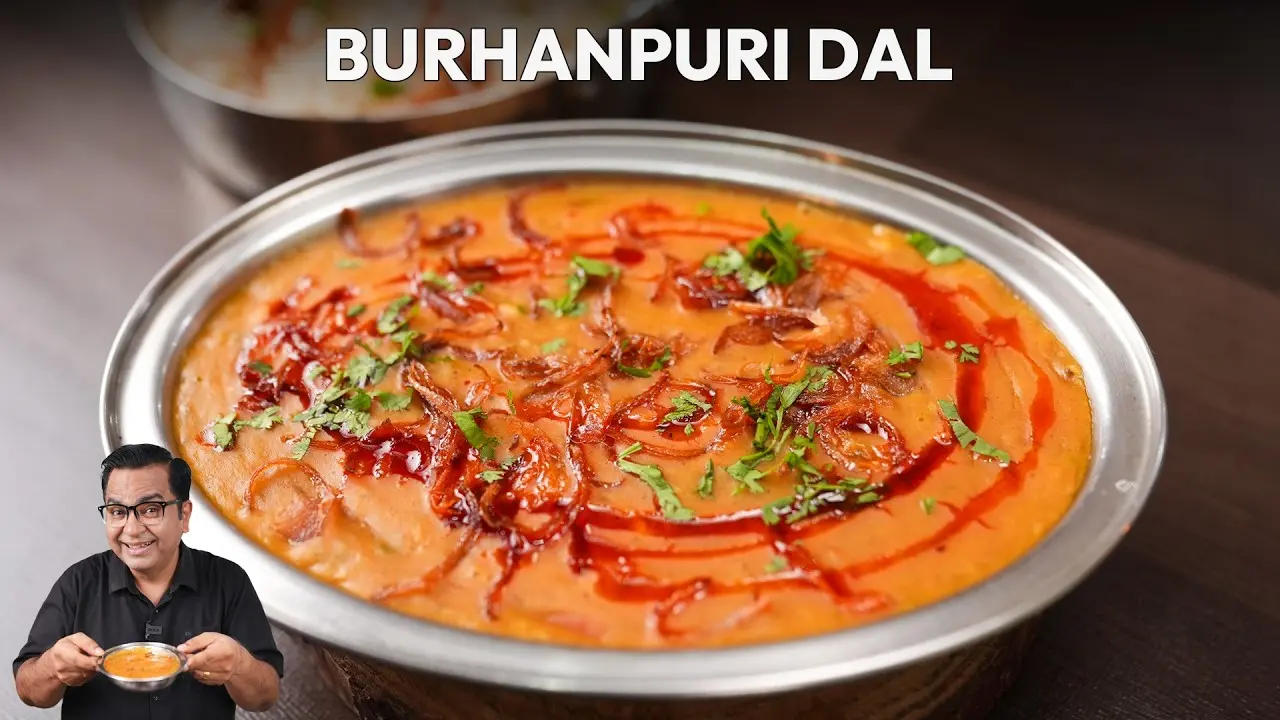
Burhanpuri Dal Recipe

40 Mins

4-5 People
5-10 Mins
Introduction: Burhanpuri Dal Recipe
You know what's fascinating? In India, dal is cooked every single day in every household — and yet, every day it tastes different. But this Burhanpuri Dal is something else entirely. It comes from Burhanpur, a region in Madhya Pradesh known for its incredibly flavourful food, and traditionally, this dal is cooked in massive degs (large cauldrons) at weddings. That slow, deep cooking — the ghutai — is what gives it that special richness.
I've been making this recipe and the one thing I love most is how it layers flavour at every step — a freshly ground garam masala, a coconut-poppy seed paste, and not one but two tadkas. Yes, two tadkas. The result looks and feels like a korma but is actually a dal. When I serve this at home, people always ask — "bhai yeh dal hai ya korma?" That's the beauty of Burhanpuri Dal. Make it once and your regular dal chawal will never feel the same again.
Ingredients of Burhanpuri Dal
Portion Serving: 4–5 people
Preparation Time: 5–10 minutes
Cooking Time: 40 minutes
For Boiling the Dal
- Toor dal (soaked) — 1½ cups
- Green chilli, slit — 2 pcs
- Salt — 1 tsp
- Turmeric powder — ½ tsp
- Water — as required
For Coconut-Poppy Seed Paste
- Dried coconut (copra) — ¼ cup
- Poppy seeds (khus khus) — 1 tbsp
- Water — as required
For Spice Masala Mix (Dry Roast & Grind)
- Black pepper — 20–25 pcs
- Star anise — 1 pc
- Cloves — 4–5 pcs
- Black cardamom — 1 pc
- Bay leaf — 1 pc
- Cinnamon — 1 inch
- Green cardamom — 3 pcs
- Coriander seeds — 1 tbsp
- Shahi jeera — 1 tsp
- Saunf (fennel seeds) — 1 tsp
For the First Tadka (Masala Base)
- Oil — 1 tbsp
- Jeera (cumin) — 1 tsp
- Bay leaf — 1 pc
- Cinnamon — ½ inch
- Onion, sliced — 1 pc
- Ginger-garlic paste — 1 tbsp
- Tomato, sliced — 1 pc
- Turmeric powder — ½ tsp
- Red chilli powder — ½ tsp
- Spice masala mix — 1 tbsp
- Splash of water
- Coconut paste mixture — ½ cup
- Boiled dal — as prepared
- Water — as required
- Tamarind paste — 1 tbsp
For the Second Tadka (Final Tempering)
- Ghee — 1 tbsp
- Cloves — 4–5 pcs
- Onion, sliced — 1 pc
- Red chilli powder — ½ tsp
- Fresh coriander, chopped — 1 tbsp
Instructions of Burhanpuri Dal
Step 1: Pressure Cook the Dal
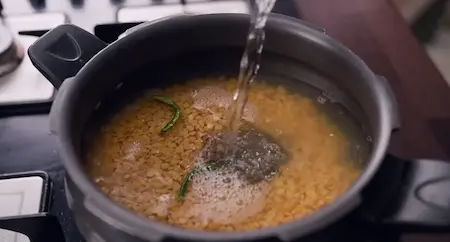
Wash and soak toor dal well. In a pressure cooker, add the soaked dal along with turmeric, salt, slit green chillies, and enough water. Pressure cook for about 3 whistles until the dal is soft and mushy. Keep aside. If you like, you can also add a little moong or masoor dal to the mix — it adds even more flavour and body to the dish.
Step 2: Prepare the Coconut-Poppy Seed Paste
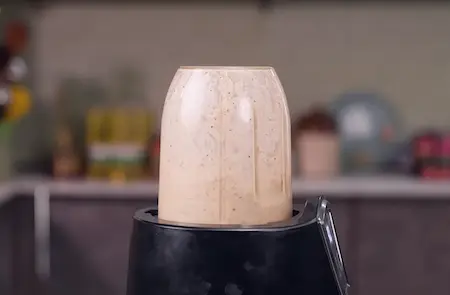
Toast dry coconut (copra) pieces in a dry pan until they turn nicely browned and aromatic. In the same pan, dry roast poppy seeds until they release their fragrance. Let both cool down completely, then grind them together with a little water into a smooth, rich paste. Keep this paste aside — it is one of the two special things that make this Burhanpuri Dal recipe truly unique.
Step 3: Make the Spice Masala Mix
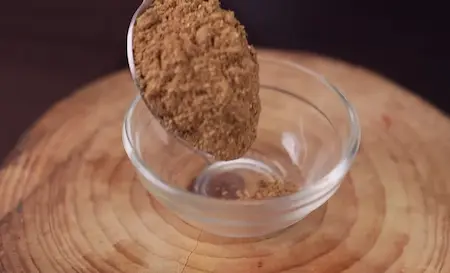
This is the second special element of this dal — a freshly made, fragrant garam masala. Start by dry roasting the heavier, slow-roasting spices first: bay leaf, cinnamon, black pepper, star anise, black cardamom, green cardamom, and coriander seeds. Once they begin to smell aromatic, add shahi jeera and saunf, as these roast quicker. Roast only until fragrant — do not over-roast. Let it all cool down and then grind into a fine powder.
Step 4: Prepare the First Tadka Base
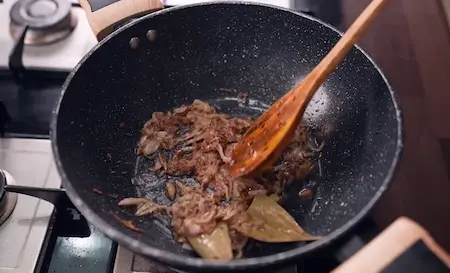
Heat oil in a heavy-bottomed kadhai. Add bay leaf, cinnamon, and cumin seeds and let them crackle. Now add sliced onions and cook them until they turn deep golden brown. This step is important — the onions need to be well caramelised, almost like you are making a korma. Then add ginger-garlic paste and saute for 2–3 minutes until the raw smell goes away completely.
Step 5: Cook the Masala
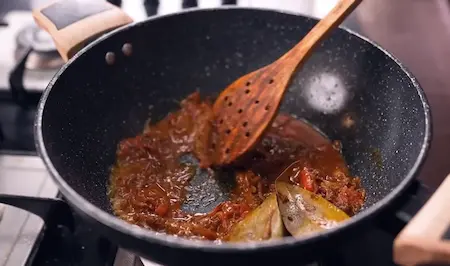
Add sliced tomatoes to the pan and cook them until completely soft and mushy. Now add the dry spices — turmeric, red chilli powder, and the freshly ground spice masala mix. Add a small splash of water to prevent the masala from burning, and let everything simmer together until it begins to bubble.
Step 6: Add the Coconut-Poppy Seed Paste & Dal
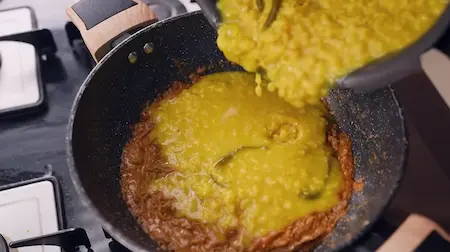
Add the prepared coconut-poppy seed paste into the masala and cook for 1–2 minutes, mixing it well. You don't need to cook it for long — just let everything come together. Now open the pressure cooker and pour the boiled dal directly into the kadhai. Mix well and add water to adjust consistency. Add tamarind paste and simmer for 8–10 minutes, letting all the flavours blend beautifully. This is the ghutai — the slow simmering that makes this dal special.
Step 7: Finish the Dal
Add fresh chopped coriander and let the dal simmer for a few more minutes. Taste and adjust salt. The dal should have a thick, pourable consistency — not too thin.
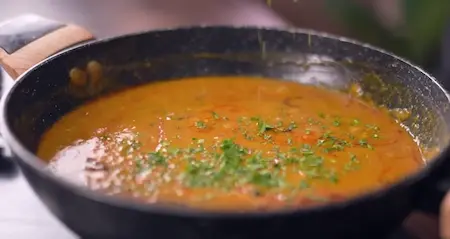
Step 8: Prepare the Second Tadka
In a small pan, heat ghee on medium flame. Add cloves and sliced onions and cook until the onions turn golden brown. Right at the end, add a pinch of red chilli powder — it will give the tadka a beautiful red colour, aroma, and flavour all at once.
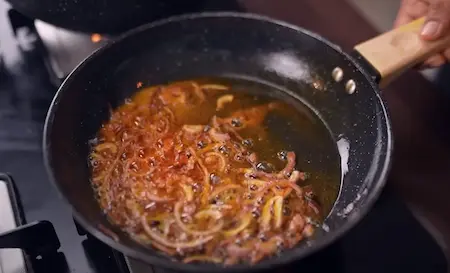
Step 9: Final Tempering & Serve
Pour the hot ghee tadka straight over the dal. Garnish with fresh coriander. Serve hot with steamed rice or a fragrant badam pulao for a true wedding-style royal experience. Say goodbye to your regular dal chawal — once you try this Burhanpuri Dal, there is no going back.
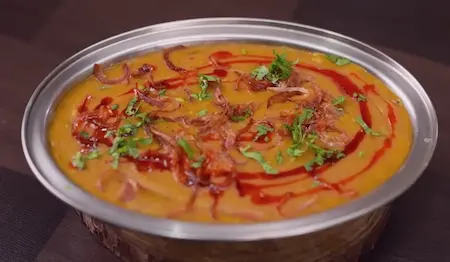
More About This Burhanpuri Dal Recipe
What makes this Burhanpuri Dal recipe so special is the layering. Every single step adds a new dimension of flavour. The dry coconut and poppy seed paste gives the dal a creamy, nutty richness that you simply do not get in an everyday dal. It makes the whole thing feel indulgent — almost like a gravy — without being heavy.
The homemade spice masala is another game-changer. It is not just a standard garam masala. Star anise, black cardamom, shahi jeera, saunf — these whole spices when dry-roasted and freshly ground create a completely different fragrance than anything from a store-bought packet. The tip here is to not over-roast them. Just enough heat to release the oils and the aroma — that is all you need.
And then there is the double tadka. The first one builds the base — golden onions, ginger-garlic, tomatoes, and the masala all cooked down beautifully. The second one — ghee with cloves and crispy onions and a final burst of red chilli — is poured right at the end and adds that smoky, aromatic top note that makes every bite unforgettable.
Traditionally, this dal is cooked at weddings in Burhanpur in large degs, slow-simmered for hours. The slow cooking, the ghutai, is what gives it that deep flavour. At home, the pressure cooker speeds that up, but the slow simmer at the end still does a lot of that same work. This is not a five-minute dal. But it is absolutely worth every single minute.
Cooking Tips for Burhanpuri Dal
- Do not skip the ghutai. After adding the boiled dal to the masala, let it simmer for a good 8–10 minutes. This slow simmering is what blends all the flavours together and gives the Burhanpuri Dal its depth and richness.
- Roast spices in the right order. Heavier spices like black pepper, star anise, and black cardamom take longer to roast. Always add shahi jeera and saunf later in the pan, as they roast very quickly and can burn easily.
- Toast the coconut well. The dry coconut must be toasted until it turns nicely browned — not just lightly warmed. A good toasting brings out a deep nutty flavour in the paste that makes a big difference to the final Burhanpuri Dal.
- Add water when cooking the masala. When you add the spice powders to the hot masala base, always add a small splash of water. This prevents the masala from burning and helps it cook evenly without sticking.
- Try mixing dals. While toor dal alone works beautifully, adding a small amount of moong or masoor dal elevates the flavour and texture of the Burhanpuri Dal even further.
- Use ghee for the second tadka. The final tempering must be done in ghee, not oil. The ghee gives the tadka a richness and fragrance that simply cannot be replicated with regular oil.
- Add red chilli at the very end of the second tadka. Drop the red chilli powder right at the end, into the hot ghee, just before pouring it over the dal. This blooms the chilli perfectly — giving colour, aroma, and flavour in one burst.
Pairing Guide for Burhanpuri Dal
- Badam Pulao — The most authentic pairing. This is exactly how Burhanpuri Dal is served at weddings in Burhanpur — with a fragrant almond pulao. The subtle nuttiness of the pulao complements the richness of the dal perfectly.
- Steamed Basmati Rice — Simple, clean, and lets the Burhanpuri Dal be the star. Good quality basmati rice is always a safe and satisfying pairing.
- Mixed Veg Pulao — A lighter option that still pairs beautifully. The mild, aromatic pulao balances the bold spices of the Burhanpuri Dal without competing with them.
- Plain Roti or Phulka — If you prefer bread over rice, a simple hot phulka or roti works well. The dal's slightly thick consistency makes it easy to scoop up.
- Papad and Raw Onion Salad — A crispy papad and some sliced raw onions with lemon juice on the side adds a nice textural contrast to the rich, creamy Burhanpuri Dal.
- Lassi or Chaas — A chilled glass of plain or salted chaas (buttermilk) is the perfect drink alongside. It cools down the palate and complements the spiced Burhanpuri Dal wonderfully.
Frequently Asked Questions – Burhanpuri Dal Recipe
1. What is Burhanpuri Dal and where does it come from?
Burhanpuri Dal is a traditional dal recipe from Burhanpur, a region in Madhya Pradesh known for its rich and flavourful cuisine. This dal is typically made for weddings and cooked in large degs (cauldrons), where it slow-simmers for hours to develop its deep, complex flavour. The Burhanpuri Dal recipe is unique because it uses a double tadka, a homemade spice masala, and a coconut-poppy seed paste — all of which set it apart from everyday dals.
2. Which dal is used in Burhanpuri Dal recipe?
The Burhanpuri Dal recipe uses toor dal (arhar/pigeon pea lentils) as the base. Toor dal cooks soft and mushy, which is ideal for this recipe as the dal needs to be well-cooked and simmer into the masala base. For added depth of flavour, you can also mix in a small amount of moong dal or masoor dal along with the toor dal.
3. Why does the Burhanpuri Dal recipe use two tadkas?
The Burhanpuri Dal recipe uses two separate tadkas to build flavour in layers. The first tadka creates the masala base — it includes caramelised onions, ginger-garlic paste, tomatoes, and freshly ground spice masala. The second tadka is a finishing tempering made with ghee, cloves, golden onions, and red chilli powder, poured over the dal just before serving. This final ghee tadka adds smoky richness and visual appeal that makes the Burhanpuri Dal truly special.
4. Can I make Burhanpuri Dal without a pressure cooker?
Yes, you can. Traditionally, the Burhanpuri Dal recipe was made in large open vessels, slow-cooked for a long time. At home, you can soak the toor dal for at least 30 minutes and then boil it in a deep pot with enough water, salt, green chilli, and turmeric until it becomes completely soft and mushy. It will take longer than a pressure cooker, but the result will be the same.
5. What is the coconut-poppy seed paste in this Burhanpuri Dal recipe?
The coconut-poppy seed paste is one of the two signature elements of the Burhanpuri Dal recipe. It is made by toasting dry coconut (copra) until browned and dry roasting poppy seeds until aromatic, then grinding both together with a little water into a smooth paste. This paste adds a creamy, nutty richness to the dal and gives it a texture and depth that is very different from a regular toor dal preparation.
6. What does the homemade spice masala add to the Burhanpuri Dal recipe?
The freshly ground spice masala is the second signature element of the Burhanpuri Dal recipe. It is made by dry roasting whole spices — black pepper, star anise, cloves, black cardamom, bay leaf, cinnamon, green cardamom, coriander seeds, shahi jeera, and saunf — and grinding them into a fragrant powder. Unlike store-bought garam masala, this freshly made mix has a more vibrant, aromatic quality that elevates the entire Burhanpuri Dal.
7. How long does it take to make Burhanpuri Dal at home?
The Burhanpuri Dal recipe takes about 5–10 minutes of preparation time and approximately 40 minutes of cooking time. This includes soaking and pressure cooking the dal, making the coconut-poppy paste, dry roasting and grinding the spice masala, cooking the masala base, simmering the dal, and finishing with the second ghee tadka. While it takes more steps than a regular dal, the result is absolutely worth the effort.
8. What to serve with Burhanpuri Dal?
The most authentic pairing for Burhanpuri Dal is badam pulao — the fragrant almond rice that is traditionally served alongside this dal at weddings in Burhanpur. You can also serve Burhanpuri Dal with plain steamed basmati rice, mixed veg pulao, or simple phulka roti. A side of papad and raw onion salad along with a cold glass of chaas rounds out the meal beautifully.
9. Can I store leftover Burhanpuri Dal?
Yes, Burhanpuri Dal stores well. Let it cool completely and refrigerate in an airtight container for up to 2 days. When reheating, add a splash of water to adjust the consistency as the Burhanpuri Dal tends to thicken after cooling. It is best to add the second ghee tadka fresh each time if possible, as it makes a big difference to the final flavour.
10. Is Burhanpuri Dal different from regular toor dal?
Yes, Burhanpuri Dal is very different from a simple everyday toor dal. A regular toor dal uses basic tadka ingredients and simple spices. The Burhanpuri Dal recipe involves a freshly made whole spice masala, a specially prepared coconut and poppy seed paste, two separate tadkas, and the addition of tamarind. The result looks and tastes more like a rich korma than a simple dal — which is exactly why it is traditionally served at weddings.